

EarthTrackers

Engaging Young People in Climate Action through Interactive Experiences


EarthTrackers


EarthTrackers

Engaging Young People in Climate Action through Interactive Experiences


EarthTrackers


REFLECTION


My Role

UX/UI Designer

Figma, Figjam, Maze, Lyssna, Sketch

Tools

Timeline

14 Weeks

OVERVIEW

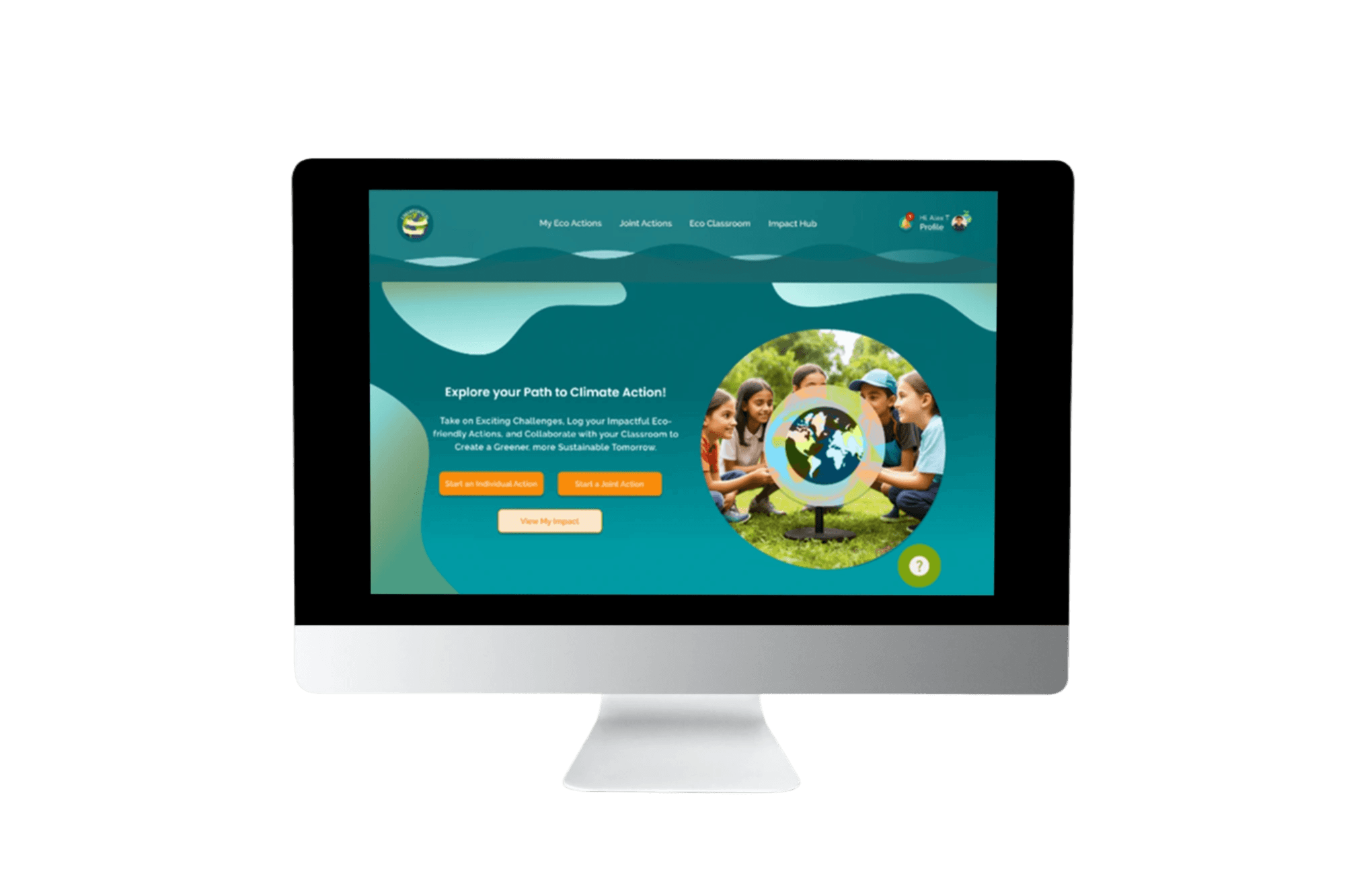
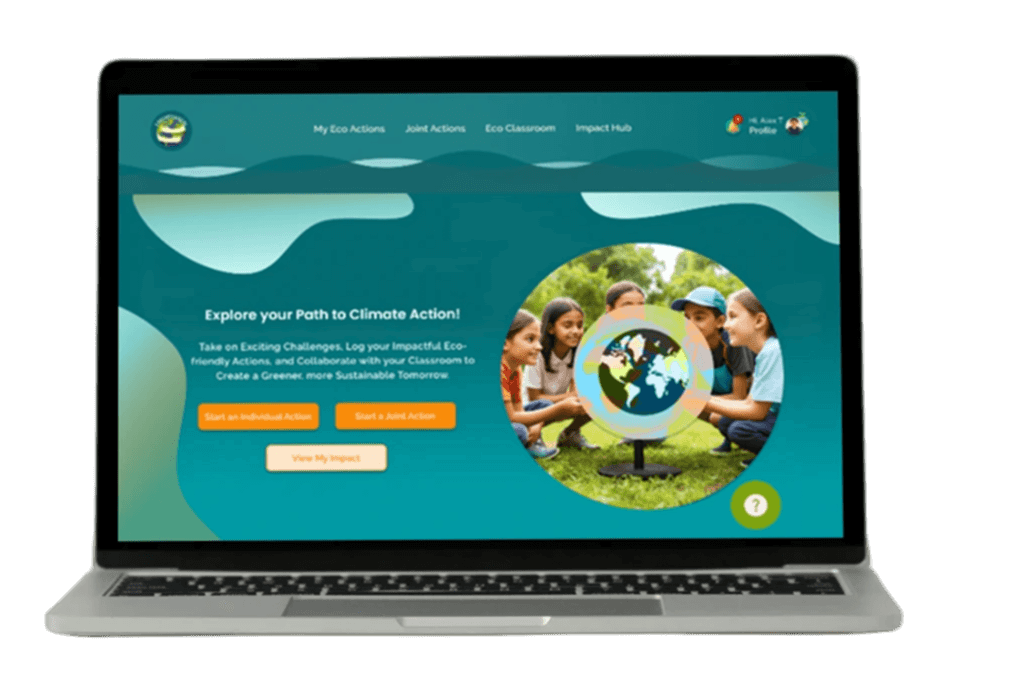
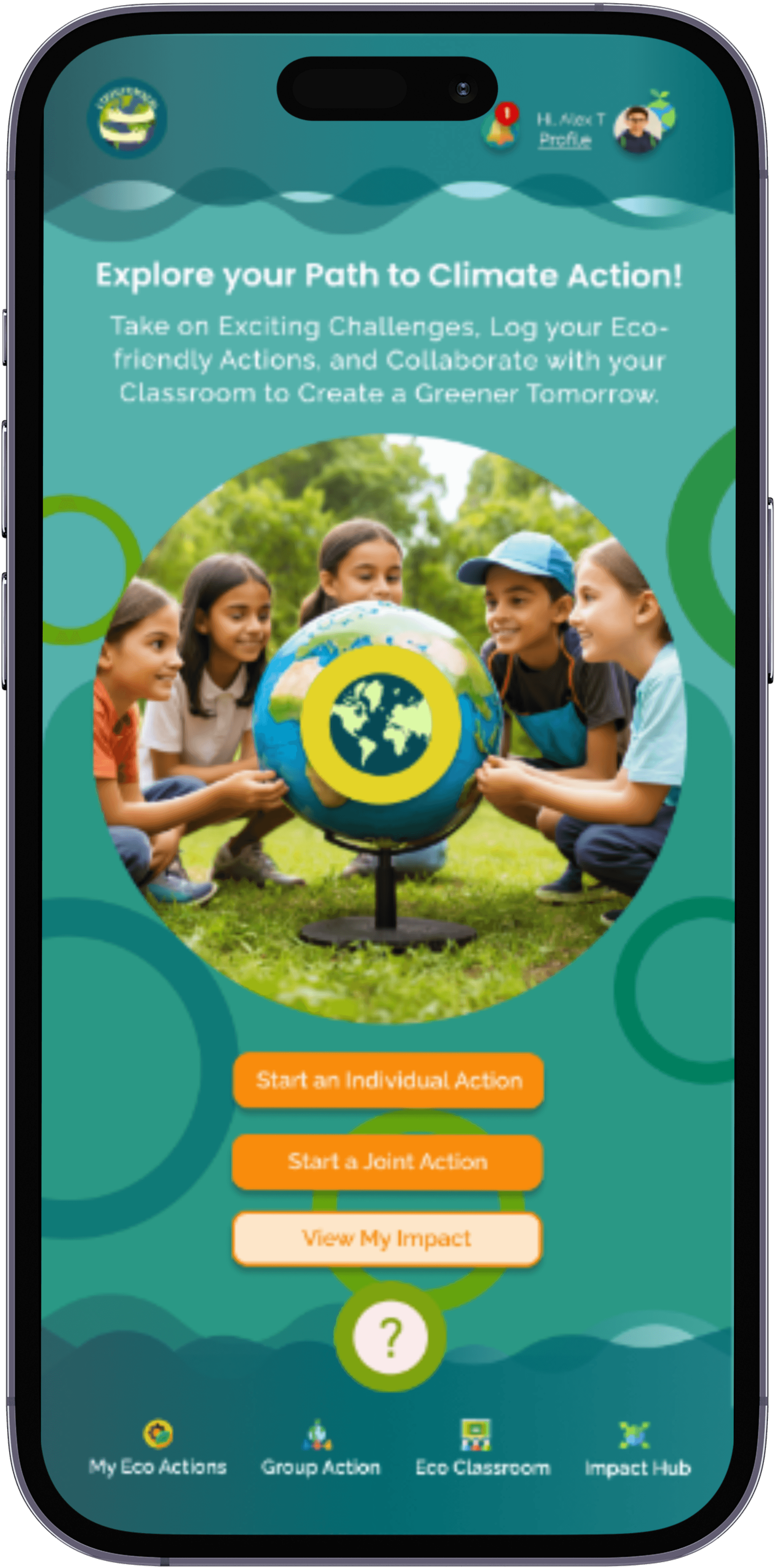
  • EarthTrackers is a responsive web platform, designed as part of my coursework, optimized for both mobile and desktop.

  • It engages young people aged 11-14 in eco-friendly activities such as emission reduction, recycling, and conservation. Middle school is a key stage for developing lasting sustainability habits, and research shows that interactive learning, gamification, and structured feedback effectively engage this age group (NEEF, 2024).

  • The platform transforms sustainability education into an interactive and action-driven experience. While it integrates with classroom activities, it also supports self-paced individual challenges and collaborative group initiatives, ensuring multiple pathways for engagement.

  • It bridges digital learning with real-world action, making sustainability education engaging, accessible, and impactful.

WHAT IS THE PROBLEM?

Students disengage from climate education as it feels passive and impersonal, while teachers struggle to track and encourage participation.

In classrooms, students hear about climate change, deforestation, and pollution. They understand the facts but don’t feel connected to them. Lessons end, and they move on without taking any real action. No excitement. No urgency. No personal connection.


Meanwhile, teachers lack the tools to track real-world student engagement and provide personalized encouragement. Integrating sustainability into the curriculum is unstructured and existing tools fail to provide interactivity, making eco-friendly behaviors feel abstract rather than engaging.


For Students:

  • Climate education feels like a lecture, not an experience with no real-world impact, no motivation.

  • There’s no personal feedback or sense of achievement when they try eco-friendly actions.

  • There is no structured way to track their engagement in climate action or provide meaningful encouragement.


WHAT IS THE PROBLEM?

Students disengage from climate education as it feels passive and impersonal, while teachers struggle to track and encourage participation.

In classrooms, students hear about climate change, deforestation, and pollution. They understand the facts but don’t feel connected to them. Lessons end, and they move on without taking any real action. No excitement. No urgency. No personal connection.


Meanwhile, teachers lack the tools to track real-world student engagement and provide personalized encouragement. Integrating sustainability into the curriculum is unstructured and existing tools fail to provide interactivity, making eco-friendly behaviors feel abstract rather than engaging.


For Students:

  • Climate education feels like a lecture, not an experience with no real-world impact, no motivation.

  • There’s no personal feedback or sense of achievement when they try eco-friendly actions.

  • There is no structured way to track their engagement in climate action or provide meaningful encouragement.


My Role

UX/UI Designer

Figma, Figjam, Maze, Lyssna, Sketch

Tools

Timeline

14 Weeks

WHAT IS THE PROBLEM?

Students disengage from climate education as it feels passive and impersonal, while teachers struggle to track and encourage participation.

In classrooms, students hear about climate change, deforestation, and pollution. They understand the facts but don’t feel connected to them. Lessons end, and they move on without taking any real action. No excitement. No urgency. No personal connection.


Meanwhile, teachers lack the tools to track real-world student engagement and provide personalized encouragement. Integrating sustainability into the curriculum is unstructured and existing tools fail to provide interactivity, making eco-friendly behaviors feel abstract rather than engaging.


For Students:

  • Climate education feels like a lecture, not an experience with no real-world impact, no motivation.

  • There’s no personal feedback or sense of achievement when they try eco-friendly actions.

  • There is no structured way to track their engagement in climate action or provide meaningful encouragement.


Create a free website with Framer, the website builder loved by startups, designers and agencies.